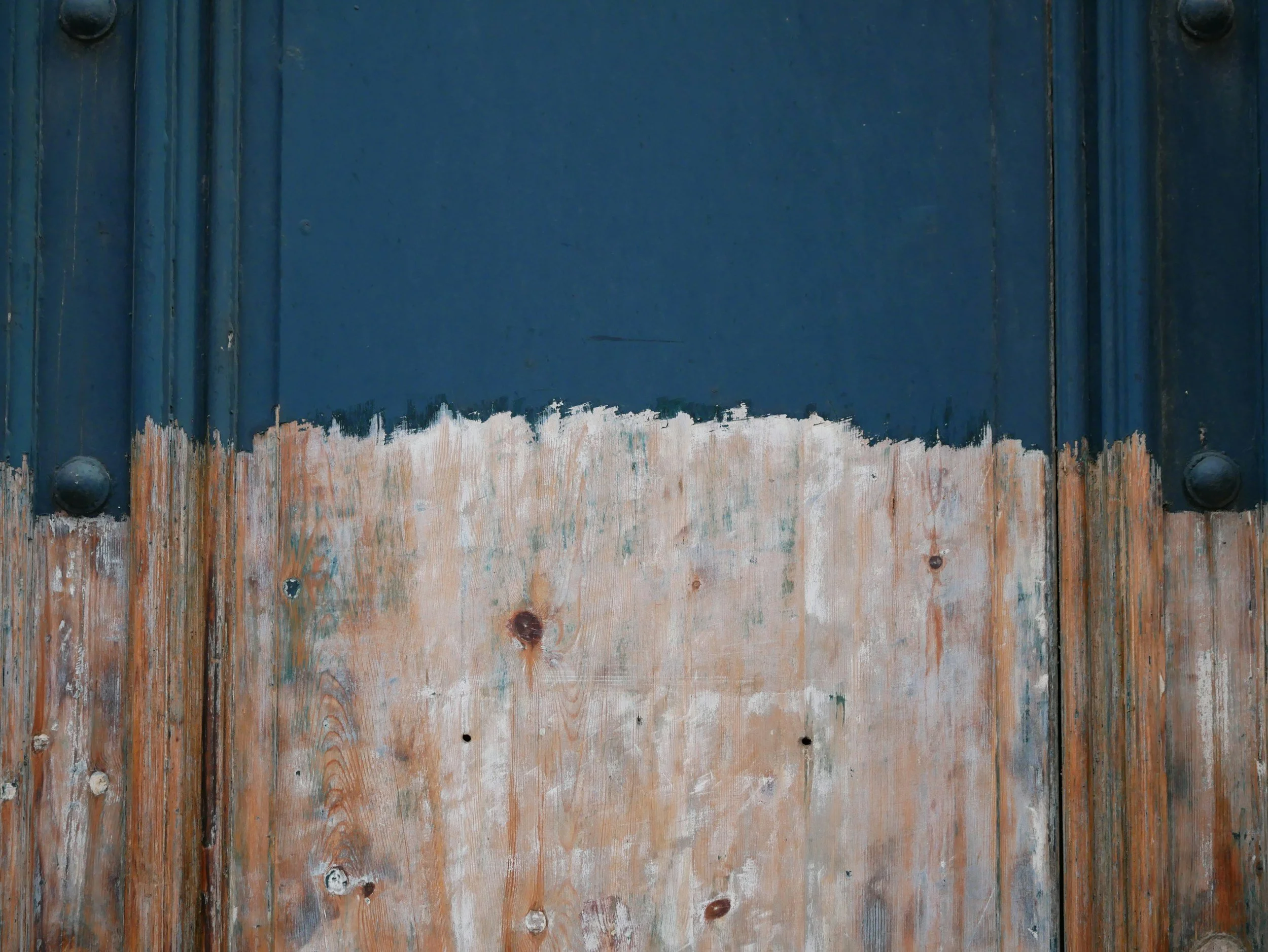
Stripping Lead Paint Safely
Did you know that lead paint poses significant risks to your health, especially for babies, children, and pregnant women? Ingesting or inhaling lead-laden dust from peeling or flaking paint can have serious consequences.
But don't worry, there are safe ways to remove it. This article will provide you with a step-by-step guide on how to strip lead paint safely from your home.
We'll also discuss the importance of identifying and confirming if your surfaces have lead paint.
So let's dive in and make your living space free from this harmful toxin.
Key Takeaways
- Lead paint is a neurotoxin that affects all organs, especially the nervous system, making it a significant health risk.
- Babies, children, and pregnant women are most at risk due to faster absorption rates, so it is crucial to take precautions.
- Ingesting or inhaling lead-laden dust is a common source of exposure, and symptoms of lead poisoning include illness, loss of appetite, and insomnia.
- When deciding whether to paint over or remove lead paint, it is important to consider the potential danger to yourself and others before making a decision.
Understanding the Risks of Lead Paint
It's important to understand the risks of lead paint, especially when it comes to stripping it safely. Lead is a highly toxic substance that can have severe health effects, particularly on vulnerable populations such as babies, children, and pregnant women. Exposure to lead can occur through ingesting or inhaling lead-laden dust, which commonly comes from deteriorating lead paint.
Lead poisoning can cause various symptoms including illness, loss of appetite, and insomnia. It affects all organs in the body, with the nervous system being especially susceptible to its neurotoxic effects. To protect public health, regulations have been put in place regarding the safe handling of lead contaminated materials.
When deciding whether to paint over or remove lead paint, there is no formal guidance available. Some experts suggest painting over if possible while others recommend removal, particularly if the paint is peeling or flaking. In cases where painting over is chosen as an option, it's important to label it as toxic for future reference.
To determine if you are dealing with lead-based paint during the stripping process, look for signs such as stubborn layers of paint with different textures or using a lead testing kit for confirmation.
When stripping lead paint safely, it's crucial to avoid using a heat gun or excessive sanding as these methods increase the risk of inhaling lead particles. Instead, use appropriate equipment like breathing masks and gloves along with sugar soap and wire wool for effective removal.
Stripping old doors that may contain high concentrations of lead paint requires extra caution. Hot air strippers should be avoided due to their release of harmful fumes. Additionally, some types of paint removers may not fully remove deeper layers of lead-based paints such as green base coats.
Paint Over or Remove Lead Paint: Making the Right Choice
Consider the potential danger to yourself and others before deciding whether to paint over or remove lead paint. While there is no formal guidance on this matter, it is crucial to weigh the long-term effects and health risks involved.
Lead is a neurotoxin that can affect all organs, particularly the nervous system. Babies, children, and pregnant women are most vulnerable due to faster absorption rates. Ingesting or inhaling lead-laden dust is a common source of exposure.
If the lead paint is peeling or flaking, removal is recommended to prevent future danger. However, if it's in good condition, one option is painting over it and labeling it as toxic. The British Coatings Federation suggests this approach when possible, but others advocate for complete removal.
When making your decision, consider whether you will tackle the project yourself or hire a professional. DIY methods can be cost-effective but require meticulous attention to safety precautions. Professional services may offer expertise and ensure proper containment of lead particles.
Ultimately, your choice should prioritize the health and well-being of everyone involved.
Identifying and Confirming Lead Paint in Your Home
To confirm the presence of lead paint in your home, you can use a lead testing kit if you have any doubts. Here are some key points to consider when it comes to identifying and confirming lead paint in your home:
1. Lead paint testing methods: The most reliable method is using a lead testing kit, which involves swabbing the suspected area and waiting for color changes that indicate the presence of lead.
2. Health effects of lead exposure: Lead is a neurotoxin that can affect all organs, especially the nervous system. Babies, children, and pregnant women are most at risk due to faster absorption rates. Symptoms of lead poisoning include illness, loss of appetite, and insomnia.
3. Lead paint removal alternatives: While there is no formal guidance on whether to remove or paint over lead paint, removing peeling or flaking lead paint is recommended to prevent future danger. Painting over with a label indicating toxicity is an alternative option.
When embarking on DIY lead paint removal:
- Take precautions such as wearing a breathing mask, gloves, and using sugar soap for cleaning.
- Avoid using heat guns or excessive sanding to minimize inhalation of lead particles.
- Use appropriate equipment like wire wool and stripping knives.
- Follow instructions carefully when using a lead paint stripper.
- Consider hiring professional services specialized in safe and effective removal techniques.
- Remember that identifying and confirming the presence of lead paint in your home is crucial for ensuring the safety of yourself and others who may be exposed to its harmful effects.
Step-by-Step Guide: Safely Stripping Lead Paint
When removing lead paint from doors and skirting boards, it is crucial to wear gloves for protection.
To safely strip lead paint, start by preparing the work area properly. Cover the floor with plastic sheeting and seal off the area with plastic barriers. This will help minimize dust and debris spread throughout your home.
To further reduce the risk of lead exposure, consider using a lead encapsulant before stripping the paint. This product helps seal in any residual lead and prevents it from becoming airborne during the removal process.
While stripping the paint, be diligent in minimizing dust and debris. Avoid using methods such as heat guns or excessive sanding that can release lead particles into the air. Instead, opt for safer alternatives like scraping or using a chemical stripper specifically designed for lead-based paints.
Once you have successfully stripped away all layers of lead paint, it is essential to dispose of the hazardous waste properly. Collect all chips and debris in heavy-duty plastic bags labeled as 'lead-contaminated waste.' Contact your local authorities or waste management facility for guidance on how to dispose of these materials safely.
Regularly testing your home for lead is also crucial to ensure you are aware of any potential hazards. By staying proactive and taking necessary precautions when dealing with lead paint, you can create a safer environment for yourself and your loved ones.
Tackling the Challenge: Stripping Lead Paint From Doors and Skirting Boards
If you're tackling the challenge of removing lead paint from doors and skirting boards, it's important to take precautions to minimize exposure.
Here are some steps you can follow to safely strip lead paint:
1. Wear protective gear: Before starting the paint removal process, make sure to wear a breathing mask, gloves, and other appropriate protective clothing. This will help reduce your risk of inhaling or touching lead particles.
2. Test for lead: Use a lead testing kit to confirm whether the paint contains lead. It's crucial to know if you're dealing with lead-based paint before proceeding with removal.
3. Choose a safe method for removal: There are various methods available for stripping lead paint, including chemical strippers and wet scraping. Research and select a method that is safe and effective for your specific situation.
Remember that there are also alternatives to removing lead paint altogether. Painting over it with encapsulating coatings labeled as toxic is an option, but it's essential to consider the long-term health risks associated with this approach.
Precautions and Safety Measures for Stripping Lead Paint
Wearing the appropriate protective gear, such as a breathing mask and gloves, is crucial when removing lead paint to minimize exposure. Preventing contamination and ensuring safe disposal methods are essential to protect yourself and others from the health risks associated with lead paint.
Lead is a neurotoxin that affects all organs, with babies, children, and pregnant women being most vulnerable due to faster absorption rates.
To prevent contamination during the process of stripping lead paint, it is important to wear protective clothing and gear. This includes a breathing mask that filters out lead particles and gloves to avoid direct contact. Additionally, maintaining proper ventilation in the work area is crucial to reduce the concentration of lead dust in the air.
When disposing of lead-contaminated materials, it is necessary to follow safe disposal methods. Double-bagging debris in heavy-duty plastic bags and labeling them as hazardous waste ensures proper handling. Contact your local waste management facility for guidance on how to dispose of these materials safely.
Furthermore, it is important to be aware of the health risks posed by lead paint, especially to children who may ingest or inhale lead-laden dust. Lead poisoning can cause serious developmental issues in children, including learning disabilities and behavioral problems.
Dealing With Stubborn Layers: Tips for Removing Green Base Coats
To effectively remove stubborn green base coats, you can try using a lead paint stripper that is specifically designed to absorb the layers without compromising safety. Here are some techniques for dealing with difficult coatings and removing green base coats:
1. Choose alternative paint removal methods:
- Chemical strippers: Look for products that are effective in removing multiple layers of paint, including green base coats. These strippers typically come in gel or paste form and should be applied according to the manufacturer's instructions.
- Mechanical methods: Consider using scraping tools such as wire wool or stripping knives to physically remove the layers of paint. This can be a labor-intensive process but can yield good results.
- Clean the area thoroughly before applying any stripping product. Use sugar soap or a similar cleaning agent to remove dirt, grease, and loose debris from the surface.
- Protect yourself by wearing gloves and a breathing mask to minimize exposure to harmful particles.
- For particularly stubborn green base coats, you may need to use additional elbow grease. Scrubbing with wire wool can help loosen and remove these difficult coatings.
Final thoughts
By following this guide, you can confidently tackle this challenging task while keeping yourself and your loved ones protected from the dangers of lead exposure.
Remember, it's crucial to approach this process with meticulous care and attention to detail. So go ahead and transform your space, banishing that hazardous lead paint once and for all.
Call now to get your free quote
If you need help with any Decorating call us today
T: 01225 466237 | M: 07970 541989