
How To Paint Ceilings Fast and like a Professional Painter
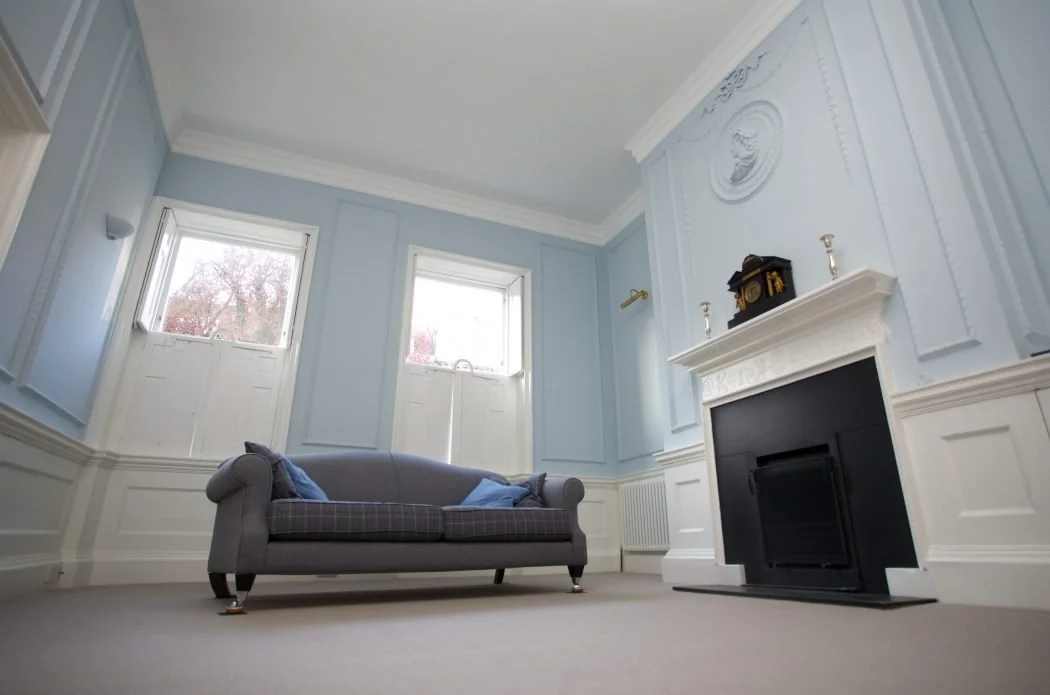
We've all been there - staring at that vast expanse of white overhead, dreading the process of painting it. But fear not! Painting a ceiling doesn't have to be an arduous task reserved only for seasoned professionals.
In fact, with the right tools and techniques under your belt, you can transform your room's 'fifth wall' in no time and achieve a professional finish that would make even Michelangelo proud.
So let's dive into some trade secrets that'll help you paint ceilings fast and like a pro. We're talking about insider tips on essential equipment, proper prep work, flawless application methods, and nifty little tricks to ensure that perfect finish every single time.
Whether you're tackling your first DIY project or looking to up your game as an experienced decorator, these invaluable insights will have you conquering any ceiling with ease and efficiency.
Preparation Before Painting
To achieve a flawless and professionally painted ceiling, the key lies in thorough preparation. Before you even think about dipping your brush into paint, take the time to examine the surface of the ceiling.
Look for any cracks or imperfections that need repair, as well as dust, cobwebs, and other debris that may have accumulated over time. Once identified, address these issues by patching up cracks with filler and sanding down rough areas to create an even canvas for your new coat of paint.
Don't forget to protect your furniture and flooring by covering them with drop cloths or plastic sheets.
Now that your ceiling is prepped and ready for painting, it's essential to prime it using a high-quality primer specifically designed for ceilings. This step will not only provide an additional layer of protection but also enhance the durability and appearance of your finished product.
A properly primed surface ensures better adhesion of the topcoat and can help prevent potential problems such as peeling or blistering down the road.
By devoting ample effort towards preparation before painting, you are laying the groundwork necessary for creating a polished end result worthy of professional admiration.
As we move on from preparation, let us delve deeper into selecting right tools and materials required for achieving optimal results during this project.
Right Tools And Materials
Having the right tools and materials is imperative for achieving a professional finish when painting ceilings.
To begin with, invest in high-quality paint that's formulated specifically for use on ceilings; this will ensure optimal coverage, as well as minimize dripping and splatter.
Additionally, opt for an extendable roller handle to provide you with better reach; this will not only save time but also reduce fatigue from constantly reaching overhead.
A good quality roller cover, preferably made of microfiber or lambswool material, is essential for a smooth application.
Alongside these essentials, equip yourself with other necessary accessories such as painter's tape to protect wall edges and crown moldings, drop cloths to shield your floors and furniture from drips or spills, a sturdy ladder to maintain proper balance while working at height, and a paint tray or bucket grid system for even distribution of paint onto the roller.
By gathering all these materials beforehand, you can focus solely on perfecting your technique without unnecessary interruptions.
With everything set up correctly, let us now move forward towards sanding and priming the surface prior to applying any paint.
Sanding And Priming
Imagine you're working on a ceiling restoration project in a charming old Victorian home. The plaster ceiling has seen better days, with visible cracks and uneven surfaces that require your professional touch. Before diving into the actual painting process, it's crucial to prep the surface through sanding and priming. This stage of the process is essential for achieving a flawless finish and ensuring the paint adheres properly.
To start, follow these three key steps:
- Inspect the Ceiling: Look for any loose or peeling paint, hairline cracks, or other blemishes that need attention.
- Sanding: Use a pole sander with medium-grit sandpaper (120-150 grit) to smooth out rough areas and remove any imperfections. Sand in circular motions while applying light pressure; this will help avoid creating scratches or grooves in the plaster.
- Cleaning: After sanding, use a clean cloth or vacuum attachment to remove all dust from the surface.
Once you've completed these preparatory steps, it's time to apply a primer coat to create an even base for painting. A high-quality primer can make all the difference between an amateur-looking job and one that appears professionally done.
It fills minor imperfections, allowing for smoother application of your topcoat color and improved durability over time. Make sure you choose a stain-blocking primer specifically designed for ceilings as they have properties that prevent discoloration caused by common household stains such as water damage or nicotine residue from cigarette smoke exposure.
With proper sanding and priming techniques under your belt, you'll be ready to move forward confidently knowing that your work will stand up against scrutiny by fellow decorators and homeowners alike!
Using A Stain-Blocking Primer
An essential step to achieve a professional finish when painting ceilings is the application of a stain-blocking primer. This type of primer is specifically designed to prevent any existing stains, such as water damage or smoke residue, from bleeding through your fresh coat of paint.
Moreover, it helps in providing an even base for your chosen paint color, ensuring that you get consistent coverage and a flawless appearance upon completion.
Before applying the primer, ensure that the ceiling surface has been thoroughly cleaned and is free from dust, cobwebs or other debris.
Apply the stain-blocking primer using either a brush or roller with an extension pole for ease and efficiency.
It's crucial to allow adequate drying time between each coat; this may vary depending on the specific product used so always refer to the manufacturer's instructions.
Once the primer has dried completely, it's time to seamlessly move forward by beginning with cutting in before rolling out your desired paint color.
Cut In Before Rolling
Imagine this: you've just spent hours painting your ceiling, and as you step back to admire your handiwork, you notice that the edges where the ceiling meets the walls are uneven or have visible brush strokes. A sinking feeling washes over you as you realize that cutting in properly is crucial for achieving a professional-looking finish. Fear not, with a few expert tips under your belt, you can master the art of cutting in like a seasoned painter.
To begin, select an angled brush (usually 2-3 inches wide) specifically designed for cutting in; these brushes will help you achieve crisp lines along corners and ceilings.
Next, dip only half of the bristles into the paint and gently tap off any excess before approaching the edge. Hold the brush at a slight angle to avoid smudging onto adjacent surfaces and apply gentle pressure while smoothly dragging it across the surface.
The key here is to maintain steady control and keep a consistent pace throughout for even coverage. As you become more comfortable with this technique, working on those edges will feel almost effortless – leaving behind clean borders worthy of admiration. With practice comes perfection!
Now that we've mastered cutting in let's move forward by discussing how rolling in both directions can further elevate our ceiling-painting prowess.
Rolling In Both Directions
One of the secrets to achieving a smooth and even finish is employing the technique of rolling paint in both directions. This method not only reduces lap marks but also ensures that you cover every square inch, leaving no area unpainted or with insufficient layers.
Here are key steps to perfect this approach:
- Begin by loading your roller evenly with paint and apply it vertically along one edge of the section.
- Without lifting the roller from the ceiling, make a horizontal pass to spread the paint further across.
- Finally, return to your starting point and reapply pressure as you roll back towards yourself.
By consistently using this technique throughout your project, you'll notice that any streaks left behind during application will be minimized. Additionally, working systematically in smaller sections allows for better control over maintaining a wet edge - essential for preventing visible lines between dried and fresh paint.
Remember always to maintain consistent pressure on your roller while painting; too much can cause drips, whereas too little may lead to an uneven texture.
As we move toward completing our seamless professional-grade painted ceiling, it's imperative not to overlook those all-important finishing touches. Up next, we'll explore how attention to detail can elevate your work from good enough to truly exceptional.
Finishing Touches
Ah, if only the world were perfect and every ceiling painting project ended with flawless rolling in both directions. Alas! We know that reality often has a few surprises in store for us.
Fear not, as we shall now delve into the art of adding those finishing touches to ensure your freshly painted ceiling is nothing short of a masterpiece.
It's crucial to keep an eye out for any missed spots or uneven paint distribution while the paint is still wet. To achieve this, use a bright light source like a work light or flashlight at an angle against the wall-ceiling joint. This will cast shadows on imperfections and allow you to make adjustments accordingly using your roller or brush before the paint dries completely.
Additionally, don't forget about maintaining consistency by merging together overlapping sections; gently feathering them helps avoid noticeable lines between different areas.
With these final touches applied diligently and skillfully, you'll have transformed your ceiling into an exquisite canvas worthy of admiration.
As we move forward from our guide on painting ceilings fast and professionally, let's explore some valuable homebuilding and renovating tips to elevate your living space even further.
Homebuilding And Renovating Tips
We cannot emphasize enough the importance of proper planning and preparation in achieving spectacular results. Whether you are building your dream home or just sprucing up your current abode, following these expert tips will ensure that your project runs smoothly and efficiently:
- First and foremost, always have a detailed plan before diving into any project. This includes accurate measurements, materials lists, and well-thought-out designs.
- Invest in high-quality tools and materials to achieve professional-looking results. Cheap brushes or paint may save you money initially but can lead to subpar finishes or frequent touch-ups later on.
- Don't be afraid to consult with experts if needed – whether it's for advice on color schemes or structural concerns. They have invaluable knowledge that could potentially save you time and costly mistakes.
- Keep an organized workspace by labeling containers, keeping frequently used items within reach, and setting aside specific areas for cutting, painting, or assembling.
As we embark on our various home improvement endeavors, remember that patience is key when striving for perfection. Take the necessary time to properly prep surfaces before applying paint; this often entails cleaning walls thoroughly as well as patching any holes or cracks.
Additionally, avoid rushing through tasks such as sanding or caulking which play crucial roles in delivering smooth finishes free from imperfections. By employing these techniques along with our tried-and-tested decorating secrets mentioned above, you'll no doubt transform your living spaces into stunning masterpieces reflective of true craftsmanship at its finest
Call now to get your free quote
If you need help with any Decorating call us today
T: 01225 466237 | M: 07970 541989