
How To Choose Paint Colours
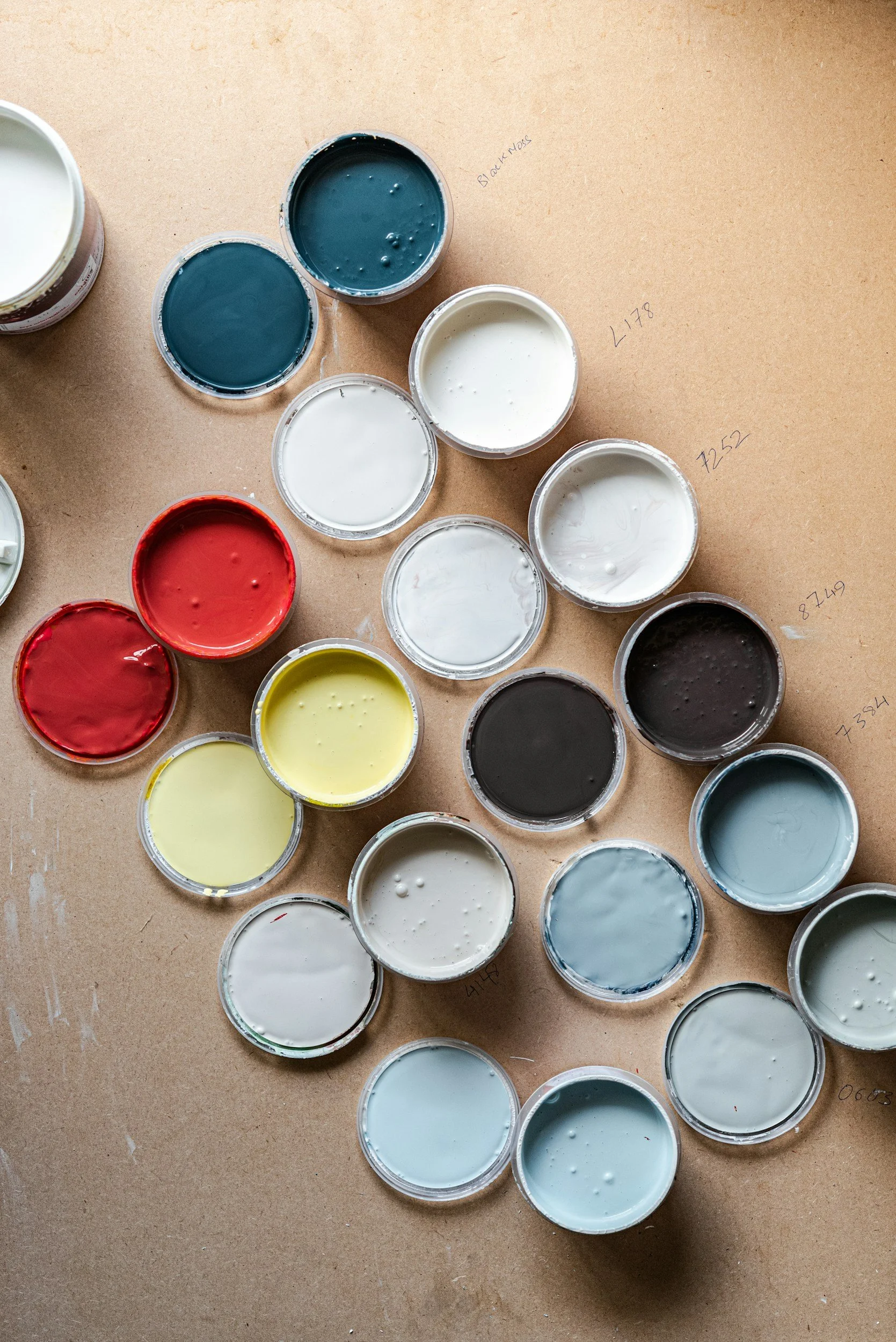
When choosing paint colours, start by considering the room's purpose and the mood you want to evoke. Each colour can influence your emotions; for example, calming blues are perfect for bedrooms, while energizing yellows may enhance a kitchen. Assess the room's natural and artificial lighting since light can dramatically alter how a colour appears. Test samples on your walls to see how different lighting conditions affect them. Don't forget to coordinate with your existing furniture and decor to guarantee a cohesive look. Once you've narrowed down your choices, revisit them at different times of the day to confirm your selection complements the space's vibrancy. You'll find that the right colour not only brightens a room but also creates a more harmonious home environment.
Key Takeaways
- Consider the primary function of the room to select colours that enhance its mood and usability.
- Test paint samples on walls in different lighting conditions to observe true colours.
- Choose colours that complement existing furniture and decor for cohesive design.
- Reflect personal style and emotional preferences in your colour selection.
- Evaluate the effects of colour psychology to influence the desired atmosphere.
Understanding Room Purpose
When initiating a renovation or redecoration project, understanding the primary function of your room is vital. You've got to think about how the space will be used daily. Whether it's a bustling kitchen or a serene bedroom, each room demands a unique approach to guarantee design coherence and functionality.
Consider the activities that dominate the space. Is it a place for rest, work, or perhaps socializing? This activity consideration isn't just practical; it sets the stage for choosing a colour palette that enhances the room's purpose. For instance, a study might benefit from calm, muted tones that encourage focus, while a playroom could use vibrant hues that stimulate creativity and fun.
It's also important to align your colour preferences with the mood you want to set. A colour that soothes or energizes can make all the difference in crafting an atmosphere that complements the room's function. This isn't about just slapping on your favorite colour; it's about creating a harmonious environment that resonates with the activities and overall vibe you intend to foster.
Always keep the room's functionality at the forefront of your design decisions, making sure every element contributes to a cohesive and inviting space.
Exploring Colour Psychology
Understanding the primary function of your room sets the stage for exploring how different colours can influence mood and behavior. When you're picking hues, it's not just about what looks good. You're tapping into the power of colour associations to evoke specific emotional responses.
Picture the calming effect of blues in your bedroom, fostering serenity and rest, or the energizing splash of yellow in a kitchen that sparks creativity and social interaction.
Each colour carries cultural meanings which play a subtle yet significant role in your comfort and satisfaction. For instance, white might signify purity and cleanliness in many Western cultures, but it's often associated with mourning in some Eastern societies. This cultural palette can deeply influence your personal preferences and should guide your selections.
Don't overlook seasonal influences either. Lighter, brighter colours can make a room feel airy and suitable for spring and summer, while richer, deeper tones might suit the moodier months of autumn and winter.
Ultimately, the colours you choose should resonate with your personal style and lifestyle. Whether you're trend-aware or more traditional, let your unique taste shine through in your decor, making your space a true reflection of you.
Assessing Lighting Effects
Before delving into colour choices, it's important to take into account how varying types of lighting will influence your perception of these hues. Ambient light plays a crucial part here, subtly shifting as the day progresses, casting different tones across your walls and altering the mood of the room.
You'll find that the colour temperature of your light sources can dramatically impact the vibrancy of your chosen shades. For instance, a cooler light can make blues and greens pop, while warmer tones enhance reds and yellows.
When considering spatial orientation, think about how the natural illumination enters your room. South-facing rooms bask in abundant daylight, making colours appear brighter, whereas north-facing rooms might cast a softer, more muted light, requiring careful colour selection to avoid a dull finish.
Reflective surfaces in your room, such as large mirrors or glossy furniture, also contribute to this interplay by bouncing light around, potentially intensifying the chosen colours.
Testing Colour Samples
To truly capture the essence of your chosen hues, it's crucial to test paint samples directly on your walls. When you apply a sample, observe how the colour consistency holds up across different areas, especially in varying lighting conditions. This step isn't just about seeing the colour but experiencing how it lives on your walls throughout the day.
Consider the texture comparison between the sample and your wall's actual surface. Is it smooth, or does it have a tactile quality? This impacts how the finish will ultimately look.
Speaking of finishes, explore various finish types—matte, satin, or glossy. Each reflects light differently and can dramatically alter the perception of a space.
Use layering techniques to gauge depth and interaction between shades. Perhaps start with a lighter base coat and gradually work up to richer tones. This method gives you a visual of how different textures and finishes interplay, creating a sophisticated, intricate aesthetic.
Integrating Furniture Styles
After testing various paint shades and finishes to set the perfect mood in your room, you'll want to contemplate how your furniture complements this new palette. Achieving furniture harmony involves more than just pairing old pieces with new colours; it's about embracing style contrasts and material textures that elevate your space.
Start by evaluating your existing furniture. Do the wood tones and fabrics reflect the mood you're aiming for? If not, consider integrating pieces that either contrast boldly or blend subtly with your chosen colours. For instance, a dark, velvety sofa can add a luxurious touch against light, airy walls, creating a striking visual balance.
Next, focus on the material textures. Mix glossy finishes with matte surfaces or smooth leather with textured linens to add depth and interest. This variety guarantees that the room feels layered and thoughtfully curated rather than flat and uninspired.
Lastly, maintain design cohesiveness by guaranteeing all elements contribute to the overall colour balance. If your walls are a cool blue, warm them up with rich amber or copper accents in your furniture and decor. This approach not only ties the room together but also keeps it engaging and vibrant.
Finalising Your Selection
Often, finalizing your paint selection can feel like the most challenging part of your decorating journey. Now that you've considered lighting, colour psychology, and how the room will be used, it's time to marry these elements with your personal taste and the latest trends.
Colour harmony is key. Think about how the colours will flow from room to room, creating a cohesive feel throughout your home. Are you leaning towards a bold, contrasting scheme or a more subtle, monochromatic look? Whatever your choice, make certain it reflects the seasonal changes and historical influences that inspire you.
Current trends might tempt you to opt for bold, statement colours, but remember to stay true to what you love. This is your space, and it should feel like a reflection of your personality. Consider how each hue makes you feel; this emotional connection can guide your final decision.
Lastly, don't forget to revisit your choices at different times of the day. Natural light can dramatically shift how a colour looks. You'll want to be certain that your selection continues to delight, whether it's bathed in the soft glow of morning or the golden hues of dusk.
Final Thoughts
Now that you've journeyed through the kaleidoscopic garden of colour choices, it's time to plant your vision. As you finalize your selection, remember that each hue you've chosen is a reflection of the light and life you want to cultivate in your home. Let the colours you've picked harmonize with your furniture and dance with the natural light, creating a symphony of style that resonates with your personal aesthetic. Trust your instincts, and watch your space bloom.
Call now to get your free quote
If you need help with any decorating, call us today.
T: 01225 466237 | M: 07970 541989