Wallpaper Vs Paint - Which One Is Better for You
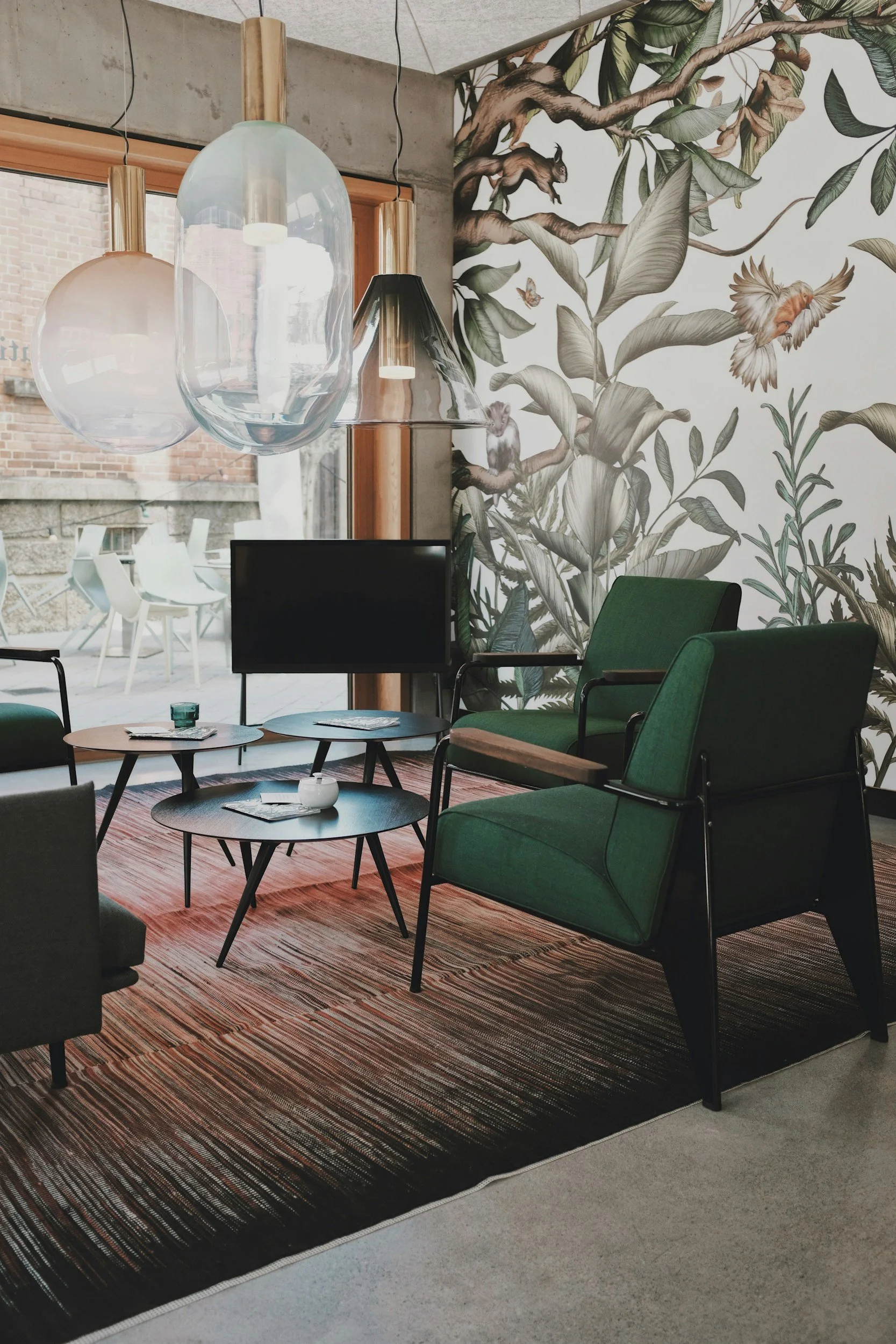
Are you ready to transform your space but can't decide between wallpaper or paint? Let's dive into the pros and cons of both options to help you make the right choice.

Imagine walking into a room that reflects your personal style and adds a touch of elegance. With wallpaper, you can create intricate patterns and designs that will make your space truly unique.

On the other hand, paint offers a wide range of colors that can bring vibrancy and life to any room.

It's time to discover which option is better suited to your needs.

Key Takeaways

  • Wallpaper provides a unique and interesting look to a space with intricate patterns and designs.
  • Paint is generally less expensive and requires less maintenance than wallpaper.
  • Wallpaper is more durable and resistant to fading and discoloration.
  • The choice between wallpaper and paint depends on personal preferences and needs, considering factors such as cost, durability, and aesthetic requirements.

Cost-effectiveness

If you're looking to save money, wallpaper may not be the most cost-effective option for you. While paint is generally less expensive, wallpaper can be more costly, especially if you opt for high-quality materials or complex designs.

A cost comparison between the two reveals that painting a room yourself with basic tools and supplies is relatively easy and affordable. On the other hand, wallpaper installation requires more skill and experience, and you may need to hire a professional installer, adding to the overall cost.

Additionally, maintenance costs should be considered in the cost analysis. Painted walls may require periodic touch-ups and cleaning to keep them looking fresh, while wallpaper is generally more durable and resistant to fading and discoloration. However, it's important to note that wallpaper can be more difficult to clean and repair than paint, potentially incurring additional maintenance costs.

To make a cost-effective decision, you should explore various cost-saving options, such as using low VOC paints or opting for wallpapers made from recycled materials. Conducting a cost effectiveness study and carefully considering all factors will help you make an informed choice that aligns with your budget and preferences.

Durability and Longevity

When considering durability and longevity, you should assess how well both wallpaper and paint can withstand wear and tear over time. Wallpaper is generally more durable than paint, making it a good choice for high-traffic areas or rooms prone to moisture or humidity.

The longevity of wallpaper is also impressive, as it can last up to 15 years or more with proper care and maintenance. On the other hand, paint may require periodic touch-ups and cleaning to keep it looking fresh, as painted walls are prone to scuffs and scratches.

Additionally, wallpaper is more resistant to fading and discoloration compared to paint, thanks to advancements in technology and the use of high-quality materials. However, it's important to note that wallpaper can be more difficult to clean and repair than paint, which may require professional assistance.

Design Options and Versatility

To explore the design options and versatility between wallpaper and paint, consider the range of patterns and colors wallpaper offers compared to the solid colors of paint. When it comes to color selection, wallpaper provides a wide variety of choices. From vibrant hues to subtle shades, you can find wallpaper in any color to suit your taste and decor style. In addition to color, wallpaper also offers an extensive array of pattern choices. Whether you prefer floral, geometric, or abstract designs, wallpaper can add a unique and visually appealing element to your space.

Furthermore, wallpaper allows for textured finishes that paint can't replicate. With wallpaper, you can choose from embossed patterns or textured materials that mimic the look of natural materials like wood, stone, or fabric. This adds depth and dimension to your walls, creating a more visually interesting and dynamic space.

Customization options are another advantage of wallpaper. Many wallpaper manufacturers offer customization services, allowing you to create a unique design tailored specifically to your preferences. This level of personalization isn't easily achievable with paint.

Lastly, the visual impact of wallpaper can't be overlooked. The intricate patterns and textures of wallpaper can transform a room, making it the focal point of your space. Wallpaper has the ability to create a sense of drama, luxury, or playfulness that paint alone can't achieve.

Installation and Maintenance

Installing and maintaining wallpaper or paint requires different levels of skill and effort.

When it comes to wallpaper installation, it can be a more complex process compared to painting. Wallpaper requires precise measurements and careful alignment to ensure a seamless and professional finish. It's recommended to hire a professional installer who's the expertise and experience to handle the intricacies of wallpaper installation.

On the other hand, paint touch-ups are relatively easier and can be done by most homeowners. In case of any scuffs or scratches, a simple touch-up with matching paint can restore the appearance of the walls. Paint is also known for its durability, as it can withstand everyday wear and tear. However, regular cleaning is necessary to maintain its fresh look. Painted walls can be easily cleaned with a mild detergent and a soft cloth.

In terms of maintenance, wallpaper is generally more durable than paint. It's resistant to fading and discoloration, which can be a common issue with painted walls. However, wallpaper can be more challenging to clean and repair. Stains and marks on wallpaper may require specialized cleaning techniques or even the replacement of an entire section.

Consider your skill level, budget, and maintenance preferences when deciding between wallpaper and paint. While wallpaper offers unique patterns and designs, it requires more effort to install and maintain. Paint, on the other hand, is easy to touch up and clean, but it may lack the intricate aesthetic appeal of wallpaper. Make an informed decision based on your specific needs and preferences.

Environmental Impact

Now let's delve into the environmental impact of wallpaper and paint by considering their sustainability and eco-friendliness.

When it comes to sustainability benefits, both wallpaper and paint offer eco-friendly options. Some paint brands use low VOC (volatile organic compound) formulas, which emit fewer fumes and are better for indoor air quality. Additionally, some paints are made from recycled materials and come in eco-friendly packaging. On the other hand, many wallpapers are made from recycled materials and are printed with eco-friendly inks, reducing their carbon footprint.

In terms of recycling possibilities, paint cans can be recycled once they're empty, reducing waste. However, wallpaper can be more challenging to recycle due to its composition and the difficulty of separating it from the wall. This means that when wallpaper is replaced, it often ends up in landfills.

When it comes to indoor air quality, low VOC paints are the better option as they emit fewer harmful chemicals. Wallpaper, especially vinyl wallpaper, can release chemicals into the air, impacting the quality of the indoor environment.

Personal Preference and Style

When it comes to choosing between wallpaper and paint, your personal preference and style play a crucial role. Your choice of color can have a significant impact on the mood and atmosphere of a room. Color psychology suggests that certain colors elicit specific emotions.

For example, warm tones like red and orange can create a cozy and inviting feel, while cool tones like blue and green promote relaxation. Consider your texture preferences as well. Paint can provide a smooth and sleek finish, while wallpaper offers a textured feel that can add depth and interest to a space.

The selection of patterns is another important aspect to consider. Wallpaper is known for its wide range of intricate patterns and designs, allowing you to add a unique and interesting look to your walls. Additionally, wallpaper can mimic natural materials like wood, stone, or fabric, allowing you to achieve a specific aesthetic without the cost or maintenance associated with the real thing.

Personalization options are also worth considering. With wallpaper, you have the opportunity to personalize your space by choosing patterns that reflect your personality and style. On the other hand, paint offers endless possibilities for customization through different techniques like stenciling or creating accent walls.

Finally, it's important to consider whether you want to follow trends or opt for timeless aesthetics. Wallpaper patterns can be trendy and may require frequent replacement to stay up to date, while paint colors can be more easily changed to keep up with evolving styles.

Ultimately, your personal preference and style should guide your decision between wallpaper and paint, ensuring that your chosen option reflects your individuality and creates the desired atmosphere in your space.

Resale Value and Marketability

Consider the impact on resale value and marketability when deciding between wallpaper and paint.

In today's real estate market, buyers are increasingly looking for homes that are move-in ready and reflect the latest design trends. The choice between wallpaper and paint can have a significant influence on the perceived value and marketability of your home.

Resale value is a crucial factor to consider when making this decision. While wallpaper can add a unique and interesting look to a space, it may not appeal to all buyers. Some buyers may find it too personalized or difficult to remove, potentially affecting the marketability of your home.

On the other hand, a fresh coat of paint in a neutral color can create a clean and blank canvas that allows potential buyers to envision themselves living in the space.

Market trends and buyer preferences also play a role in determining the resale value of your home. It's important to stay updated on the latest design trends and colors that are popular among buyers. Using colors that evoke positive emotions and align with color psychology can create a sense of harmony and appeal to a wider range of buyers.

When preparing your home for sale, home staging is a crucial step. Neutral walls can serve as a backdrop for staging furniture and accessories, allowing potential buyers to focus on the features and potential of the space. Wallpaper, on the other hand, may limit the options for staging and could distract buyers from the overall appeal of the home.

Final thoughts

In conclusion, when deciding between wallpaper and paint, it ultimately comes down to personal preference and the specific needs of your space.

Consider factors such as cost-effectiveness, durability, design options, installation, maintenance, and environmental impact.

Remember, 'don't judge a book by its cover' - the right choice for your space may not always be the most popular or trendy option.

Take your time, weigh the pros and cons, and choose what resonates with your style and budget.

Call now to get your free quote

If you need help with any Decorating call us today

T: 01225 466237 | M: 07970 541989

or send us a message

Previous
Previous

Colour Combinations That Look Great With Grey

Next
Next

Renovate Your Staircase