
How to Paint a Room - Basic Painting Tips
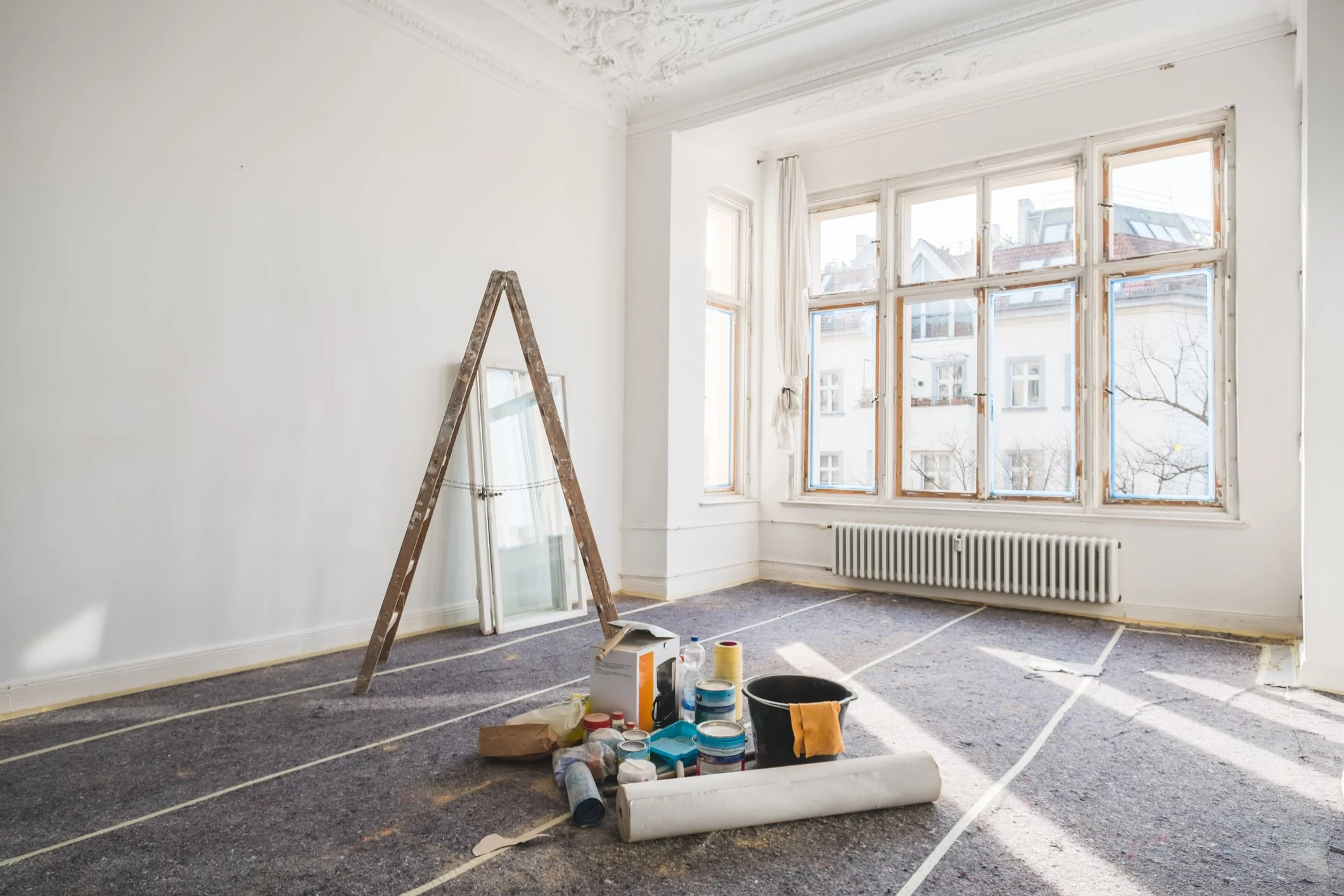
To paint a room, start by calculating how much paint you'll need; measure the surface area and account for two coats. Prepare surfaces by cleaning, sanding, and filling holes. Prime walls with a suitable primer. For the ceiling, use paint designed for overhead surfaces and apply two coats. When painting walls, cut in around edges and corners first, then roll paint evenly. Prepare and protect woodwork, use painter's tape for fixtures, and make sure surfaces are clean and dry before starting. Following these steps will lead to professional results, and there's more to discover about perfecting each stage.
Follow these ceiling painting techniques for the best results:
Follow these steps to apply varnish or paint:
Then, follow these steps:
Key Takeaways
- Measure the total surface area and round up paint quantity to account for two coats.
- Clean and sand surfaces, then fill holes and cracks for a smooth finish.
- Prime surfaces to ensure better paint adhesion and a flawless result.
- Cut in edges and use even strokes when applying paint to walls and ceilings.
- Protect fixtures, outlets, and floors with masking tape and covers.
Calculate Paint Needed
To calculate the amount of paint you'll need, start by measuring the total surface area of the room, including both the walls and the ceiling. Use a tape measure to get the height and width of each wall, then add these measurements together to determine the total square footage. Don't forget to include the ceiling in your calculations. Next, consider the paint coverage specified by the manufacturer, which is typically listed on the paint can. This information tells you how many square feet a gallon of paint will cover. You'll need to apply this to your total surface area to determine the paint quantity required. For accurate paint estimation, bear in mind that most rooms require two coats of paint for even coverage and durability. When you've done your paint calculation, round up to guarantee you have enough paint supply. It's always a good idea to buy all the paint at once to maintain color consistency. Follow the rule of not subtracting the area of doors and windows from your measurements, as this ensures you won't run short. By carefully planning your paint supply, you'll avoid unnecessary trips to the store and ensure a smooth painting process.Prepare Surfaces
Start by removing all furniture from the room and covering the floors to safeguard them from paint splatters. Use drop cloths or old sheets to guarantee thorough floor protection. Begin with surface cleaning techniques by wiping down walls, ceilings, and woodwork to eliminate dust, grease, and flaky paint. A diluted washing solution or sugar soap works best for this task. Next, gather your surface preparation tools like sandpaper, a putty knife, and a sponge. Sand any rough spots to create a smooth surface. Inspect the room for any holes or cracks and fill them with a suitable filler. Once dry, sand these areas again until they're flush with the wall. Surface repair methods also include addressing any loose or peeling paint. Scrape these areas and sand them down. Proper surface repair ensures a flawless finish. Before priming, consider the surface priming benefits: it helps the paint adhere better and provides a more even finish.Prime Walls
Priming the walls is crucial for guaranteeing the paint adheres properly and provides a smooth, lasting finish. Start by choosing primer type based on your wall's condition. Use a stain-blocking primer for walls with marks or stains, and a high-build primer for uneven surfaces. If you're painting over a dark color, opt for a tinted primer to improve coverage. Next, employ the proper priming technique. Begin by cutting in around the edges with a brush, then switch to a roller for larger areas. This ensures even coverage and prevents streaks. The importance of primer can't be overstated; it not only helps the paint stick better but also hides imperfections, creating a uniform base for your topcoat. Pay attention to the drying time for primer, which typically ranges from 30 minutes to a few hours, depending on the type. Always check the manufacturer's instructions to be sure. Use quality primer application tools like a high-quality brush for edges and a roller for vast surfaces. Clean tools after use to maintain their effectiveness. Proper priming sets the stage for a flawless paint job, guaranteeing your hard work lasts.Paint the Ceiling
Painting the ceiling requires careful preparation and technique to achieve a flawless, even finish. Start by choosing ceiling paint that's specifically designed for overhead surfaces. Opt for a flat or matte ceiling paint finish to help mask any imperfections and avoid ceiling drips. Before you begin, gather your ceiling painting tools. You'll need a roller with an extension pole, a quality brush for cutting in around the edges, and a paint tray. Stir the paint thoroughly to guarantee a uniform color and consistency.Follow these ceiling painting techniques for the best results:
- Cut in Edges: Use a brush to cut in along the edges where the ceiling meets the walls. This will give you clean lines and prevent paint from dripping onto the walls.
- Roll Evenly: Dip your roller into the paint, remove excess, and apply it in a W or M pattern for even coverage. Work in small sections to maintain a wet edge and avoid streaks.
- Second Coat: Allow the first coat to dry completely before applying a second coat. This ensures a smooth, even finish.
Paint the Walls
Now that the ceiling is complete, focus your attention on painting the walls to transform the room with a fresh, new look. Start by choosing the right color selection that complements your decor and desired ambiance. Consider the paint finish—whether you prefer matte, eggshell, satin, or gloss—as it will impact both the aesthetic and durability. Before diving into painting, evaluate the wall texture. Smooth surfaces require different techniques compared to textured walls. For example, a thicker nap roller works better on textured walls to guarantee even coverage. Begin with a brush to cut in around edges and corners where rollers can't reach. Use a roller for the larger areas, applying paint in a “W” or “M” motion to avoid streaks and ensure uniform coverage. Remember, different paint techniques can affect the final outcome, so take your time and apply evenly. Allow adequate drying time between coats. Typically, it's best to wait at least 2-4 hours before applying a second coat, but always check the paint manufacturer's instructions to be sure. Patience here will guarantee a flawless finish that lasts.Paint the Woodwork
With the walls freshly painted and dried, it's time to turn your attention to the woodwork to complete the room's transformation. Start by preparing the wood surfaces. Sand surfaces thoroughly to remove any old paint or varnish and to create a smooth base for the new finish. Use fine-grit sandpaper for the best results. Next, choose the finish for your woodwork. Depending on the look you want, you can select from gloss, satin, or matte finishes. Make sure you also select brushes that are suitable for the type of paint or varnish you'll be using. High-quality brushes can make a significant difference in the final appearance of your woodwork. Before you begin painting, protect adjacent areas with painter's tape. This will guarantee clean lines and prevent paint from getting on your freshly painted walls.Follow these steps to apply varnish or paint:
- Apply a Primer: If the wood is bare or previously varnished, start with a primer to help the paint adhere better.
- First Coat: Apply the first coat evenly, using smooth, consistent strokes.
- Second Coat: After the first coat dries, sand lightly and apply a second coat for a flawless finish.
Measure Surface Area
After completing the woodwork, the next step is to measure the surface area of the room to make sure you buy the right amount of paint. Begin by measuring the height and width of each wall. Multiply these dimensions to get the square footage. Don't forget to include the ceiling in your calculations. For accurate paint coverage, you'll need to account for two coats. Surface preparation is vital before starting the measurement. Make sure all surfaces are clean and free from dust, grease, or flaky paint by performing thorough surface cleaning. This guarantees that the paint adheres properly during paint application. When measuring, don't subtract the areas of doors and windows; it's better to have a little extra paint rather than running short. This also helps maintain color consistency, as buying all your paint at once ensures it's from the same batch.Buy Consistent Color
To guarantee a consistent color throughout the room, purchase all the paint you'll need in one go. This guarantees that you won't end up with slight color variations caused by different batches. When making your color selection, consider the paint finish—whether you prefer a matte, eggshell, satin, or gloss finish, each will impact the room's look and feel. Quality is paramount when buying paint. High-quality paint offers better coverage, durability, and ease of paint application. Cheap paints can often lead to uneven texture and may require multiple coats, affecting the final outcome. Here are three essential tips:- Check the paint quality: Invest in reputable brands known for their consistency and longevity.
- Choose the right finish: Remember that different finishes reflect light differently. For instance, matte hides imperfections, while gloss highlights them.
- Read the manufacturer's instructions: This will guide you on the correct method of paint application and the necessary paint drying time. Ensuring that you have enough paint from the same batch and understanding the impact of paint finish and quality will help you achieve a uniform and professional-looking result. This attention to detail sets a solid foundation for the rest of your painting project.
Remove Furniture
Before you start painting, clear the room by removing all furniture to guarantee an unobstructed workspace. This step is essential for both efficiency and safety. Begin by surveying the room layout to identify which pieces need to be moved. Large items can become moving obstacles, hindering your progress and increasing the risk of accidents. Once you've identified what needs to go, plan for temporary storage. Find a nearby room or space where the furniture can stay out of the way. Use furniture protection methods like covering items with plastic sheets or blankets to shield them from dust and potential damage during the moving process. If moving heavy or bulky furniture, consider enlisting help to avoid injury and ensure everything is relocated smoothly. With the furniture out of the way, you'll have a clear space to work in, allowing you to focus solely on painting without any hindrances. Clearing space not only makes the process more manageable but also ensures you can reach all wall surfaces easily, leading to a more professional finish. Remember, a clutter-free room is key to a successful painting project.Fill Holes and Cracks
Start by inspecting the walls meticulously to identify any holes and cracks that need filling. It's vital to address these imperfections to achieve a smooth finish. Begin by cleaning the area around each hole or crack, removing any loose debris.Then, follow these steps:
- Sand surfaces around the damaged areas to make sure they're smooth and free of loose paint or plaster. This step is important for proper adhesion.
- Use spackle to fill the holes and cracks. Apply it with a putty knife, pressing it firmly into the damaged areas. Make sure to overfill slightly, as spackle can shrink as it dries.
- After the spackle dries, sand the filled areas again to achieve a smooth finish. This might require multiple rounds of sanding and spackling for larger holes or deeper cracks. Once you're satisfied with the smoothness of the walls, it's time to **apply primer**. Primer helps the paint adhere better and guarantees a uniform appearance. After the primer has dried, you can **paint over** the primed areas, blending them seamlessly with the rest of the wall. This process ensures a professional and flawless result.
Clean Surfaces
After ensuring the walls are smooth and primed, the next step involves meticulously cleaning all surfaces to remove any dust, grease, or flaky paint. Proper surface preparation is essential for a smooth and durable finish. Start with dust removal methods: use a vacuum with a brush attachment or a microfiber cloth to capture dust particles. For more thorough cleaning, a damp sponge can help, but make sure surfaces are dry before painting. Next, focus on grease removal tips. Kitchens and high-traffic areas often have stubborn grease. Use a solution of warm water mixed with a few drops of dish soap or a commercial degreaser. Scrub the area gently, then rinse with clean water and let it dry completely. For flaky paint, employ a scraper or a stiff brush to remove loose bits. Sand the area afterward to create a smooth surface.Protect Fixtures
In order to achieve a crisp and professional finish, you must meticulously protect fixtures such as switches, sockets, and skirting boards with high-quality masking tape. This step is vital to preserve fixtures and guarantee clean paint lines. First, cover outlets and secure sockets by applying masking tape over them. This prevents any paint drips from seeping into electrical components. Next, thoroughly shield switches by taping over the switch plates. This not only keeps paint off the switches but also allows for a seamless finish when the tape is removed. Finally, guard skirting boards by running masking tape along the top edge where it meets the wall. This step is particularly essential for a sharp, professional look and avoids any unsightly overlaps of wall paint onto the skirting. Here's a quick checklist to help you:- Cover outlets and secure sockets with masking tape.
- Shield switches by taping over switch plates.
- Guard skirting boards by running masking tape along the edges.
Call now to get your free quote
If you need help with any Decorating call us today
T: 01225 466237 | M: 07970 541989