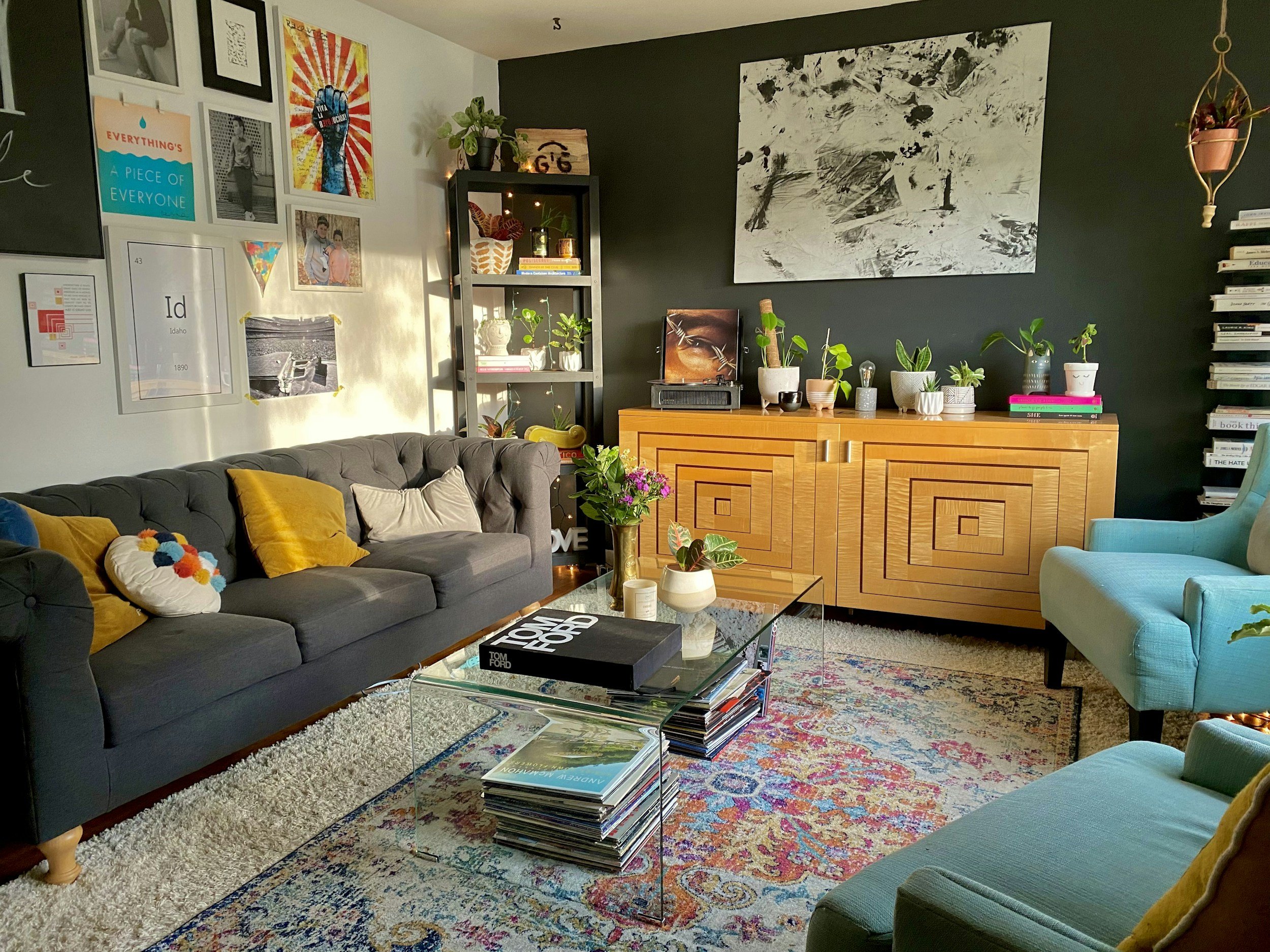
How To Choose An Accent Wall

Looking to add some visual interest to your living room or bedroom? Consider creating an accent wall!

An accent wall is a great way to add depth and personality to a space, and can be achieved with different colours, patterns, or textures. But with so many options available, choosing the right accent wall for your space can be overwhelming.

This article will help guide you through the process of selecting an accent wall that complements your personal style and enhances the overall aesthetic of your room.

Firstly, it's important to understand what an accent wall is. An accent wall is a single wall in a room that stands out from the rest due to its unique design or colour. It's an effective way to add focus and dimension without completely overhauling the entire space.

When done correctly, it can create a sense of balance and harmony in any room. In this article, we'll explore factors such as colour choice, size of the room, lighting conditions and more - all essential considerations when deciding on which type of accent wall will work best for you!

Key Takeaways

  • Choose a wall that you want to stand out or become a focal point, and look for an architectural feature that can benefit from an accent wall.
  • Consider using patterns or textured materials like stone or tile for your accent wall.
  • The colour of the accent wall should work with your space and complement other elements in the room, rather than just being trendy.
  • Accent walls can add visual interest, depth, and coziness to a room, and can be a fun DIY project.

What is an Accent Wall?

So, you're trying to figure out what an accent wall is? Well, let me tell you - an accent wall is a wall in your room that's different from the other walls around it, whether it's through colour, shade, design, or material!

Some examples of accent walls include painting one wall a bold colour while leaving the others neutral, using wallpaper on one wall only, or adding a textured material such as stone or tile.

There are endless options when it comes to choosing materials for your accent wall. You can use paint, wallpaper, wood paneling, stone veneer, or even fabric if you're feeling creative.

Lighting can also play a role in highlighting your chosen accent wall. Consider placing a spotlight above the wall or adding some sconces to illuminate and draw attention to the area.

Placement of your accent wall is crucial for achieving your desired effect. While any wall can become an accent wall with proper styling and design choices, there are certain factors to consider when making this decision.

Take into account architectural features such as fireplaces or built-in bookshelves that could benefit from being highlighted by an accent colour or texture. Additionally, think about how the placement will affect the overall flow and feel of the room.

With all these factors at play, choosing the perfect spot for your accent wall requires thoughtful consideration and planning.

Now that you understand what an accent wall is and some of your options for materials and placement, let's delve into some important factors to think about before making this design choice.

Factors to Consider

When deciding which wall to highlight, take a step back and let your eyes dance around the room like they're at a ball, looking for architectural features or patterns that are just begging for attention.

Consider the size and shape of the space as well. If you have a small room, an accent wall can make it feel even smaller if not done correctly. On the other hand, in an open concept layout, choosing a focal point as your accent wall can help define different areas of the space.

Texture options are also important when creating an accent wall. Stone or tile can add depth and dimension to a room while wallpaper can create visual interest without overwhelming the space with colour.

Colour psychology is another factor to consider when choosing an accent wall. Darker colours draw attention and make something recede while lighter colours open up space.

In addition to these factors, think about how you want your accent wall to complement other elements in the room such as furniture or artwork. Remember that less is more; don't choose too many accent walls as they may compete for attention and change the feel of the entire space.

With all these considerations in mind, you'll be able to confidently choose which wall will shine as your accent wall! Now onto options for creating an accent wall...

Options for Creating an Accent Wall

Creating a standout feature in your room can be achieved through various techniques that add texture, dimension, or colour to one particular wall. One option is to change the texture of an accent wall by using stone or tile. This not only adds visual interest but also creates a tactile experience for the room's occupants when they touch the wall.

Another option is to highlight architectural features such as arches, niches, or columns with an accent wall. By using a contrasting colour or pattern on these areas, you can draw attention to them and make them stand out.

Bold patterns are another way to create an eye-catching accent wall. Stripes, chevron, polka dots, geometric shapes - there are countless options available depending on your personal style and the overall aesthetic of your space. If you prefer a more subdued look, neutral colours like beige or gray can still make for a stunning accent wall while blending seamlessly into the rest of your decor.

Finally, wallpaper offers endless choices for creating a unique accent wall - from textured grasscloth to vibrant florals to whimsical prints.

With so many texture options and design choices available for creating an accent wall in your room, it's important to choose one that complements the existing elements in your space while adding visual interest and depth. Once you've decided on which technique works best for you, it's time to move onto choosing the right colour - this will ultimately determine how successful your accent wall is at achieving its purpose in transforming your space without dominating it completely.

Choosing the Right Colour

Like a painter selecting their palette, the right colour for your accent wall can make or break the overall aesthetic of your space. When choosing the colour of your accent wall, consider colour psychology and how it will affect the mood and feel of your room.

For example, warm colours like red, orange, and yellow can create a cozy atmosphere while cool colours like blue and green can make a room feel more relaxing. Colour coordination is also important when choosing an accent wall colour.

Take into account the existing colours in your space and choose a complementary or contrasting hue that will enhance those colours. You can also use accent wall accessories such as artwork or decor to tie in the accent wall colour with other elements in the room. Additionally, consider using accent wall lighting to highlight the colour and create a focal point.

Choosing the right colour for your accent wall is crucial for achieving balance and harmony in your space. Don't just choose a trendy shade without considering how it will work with your existing decor. Remember that an accent wall should complement other elements in the room rather than compete with them.

With careful consideration of colour psychology, coordination, accessories, and lighting, you can create an eye-catching accent wall that enhances both style and function of any space. As you move onto considering effects on room size and feel, keep in mind that darker hues draw attention while lighter shades open up space - making this another important factor to take into account when selecting your perfect shade!

Effects on Room Size and Feel

Transform the atmosphere of your room by understanding how accent walls can affect its size, shape, and overall feel. Accent walls have a significant impact on the visual perception of a space.

Lighter colours on an accent wall can make a room appear larger and more open, while darker shades can create an impression of depth or coziness. Texture options are also important to consider when choosing an accent wall.

Stone or tile can add depth and dimension to a room, while wallpaper patterns can create visual interest without overwhelming the space. Be sure to take furniture placement into account when selecting an accent wall as well. A bold colour or texture should enhance the existing layout and focal points in your room.

Lighting considerations are also essential for creating a successful accent wall. Artificial and natural light sources will interact differently with different colours and textures, so be aware of how lighting may impact your overall vision for the space.

Ultimately, using colour psychology and visual interest techniques will help you choose an accent wall that perfectly suits your style and enhances the overall ambiance of your room. Incorporating these factors into your decision-making process will ensure that you choose an accent wall that works harmoniously with other elements in the space.

With careful consideration of texture options, colour psychology, furniture placement, lighting considerations, and visual interest techniques, you'll be able to transform any ordinary space into something extraordinary! Moving forward, let's explore some benefits of using accent walls along with some fun DIY tips!

Benefits and DIY Tips

By exploring the benefits and fun DIY tips, you'll discover how accent walls can enhance your space in ways you never imagined.

One of the primary benefits of an accent wall is that it can add visual interest to a room. By choosing a bold colour or pattern, you can create a focal point that draws the eye and adds depth to your space. This technique is especially useful if you have a room with plain or neutral walls that need something extra to make them stand out.

Another benefit of an accent wall is that it can create a cozy atmosphere in your room. By painting one wall a warm or rich colour, you can instantly transform the feel of the space. This works particularly well in bedrooms and living rooms where you want to create an inviting ambiance for relaxation and socializing.

Additionally, accent walls are great for highlighting architectural features like fireplaces or alcoves. By drawing attention to these elements, you can accentuate their beauty and make them even more impressive.

Creating an accent wall is a fun DIY project that anyone can tackle with some basic tools and techniques. You don't need professional experience or expensive equipment to paint or wallpaper a single wall in your home. With some creative thinking and planning, you can choose the perfect colour or pattern for your space and bring it to life yourself!

Incorporating DIY techniques into your home decor allows for personalization while also saving money on hiring professionals for simple projects such as adding an accent wall.

Final thoughts

Congratulations! You now have all the information you need to choose and create an accent wall that will transform your space.

Remember, an accent wall is more than just a different colour or pattern - it's a statement piece that can enhance the overall aesthetic of your room.

Consider the factors we've discussed, such as room size and lighting, when selecting the perfect wall for your accent. Don't be afraid to experiment with bold colours or unique textures, but always keep in mind how they will affect the vibe of your space.

So go ahead, let your creativity flow, and watch as your chosen wall becomes a source of inspiration and admiration for all who enter.

Call now to get your free quote

If you need help with any Decorating call us today

T: 01225 466237 | M: 07970 541989

or send us a message

Previous
Previous

How to Clean Painted Walls Without Damaging Them

Next
Next

Benefits of using eco-friendly paint